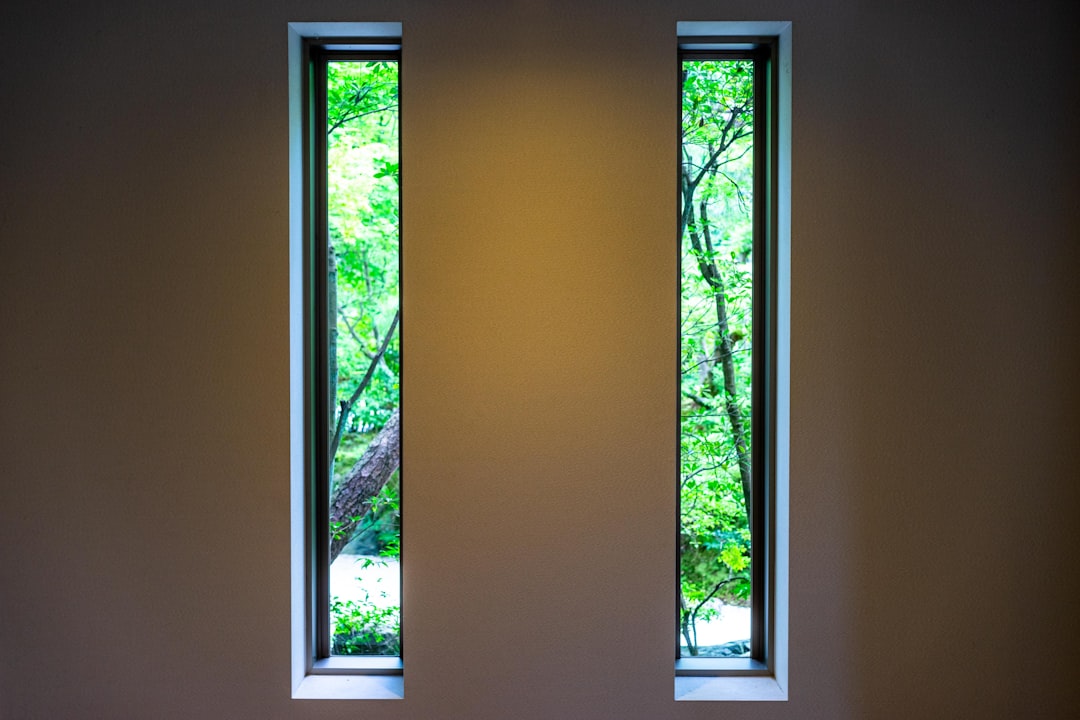
If you’ve been shopping for replacement windows in New Jersey, you’ve probably run into this question early: double-hung or casement? Both styles are popular across Monmouth, Middlesex, and Ocean County homes — but they operate differently, suit different rooms, and perform differently in our coastal climate. Understanding the double-hung vs casement windows difference before you buy can save you real money and frustration for decades to come.
How Each Window Actually Works
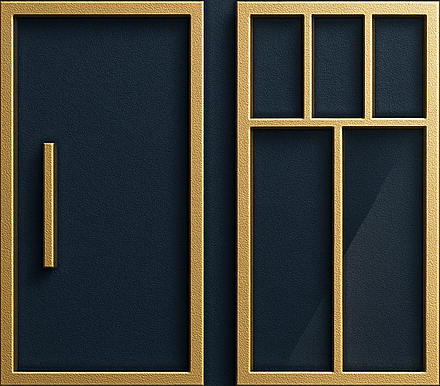
Double-hung windows have two sashes that slide up and down within the frame. Both sashes move, making them easy to clean from inside the house — a major advantage for second-floor windows. You tilt the sash inward, wipe both sides, and snap it back. No ladder required.
Casement windows are hinged on one side and swing outward like a door, operated by a hand crank. When fully open, the entire sash clears the frame for an unobstructed opening. According to the U.S. Department of Energy, casement windows typically achieve a better air seal when closed because the sash presses firmly against the frame under wind pressure — compared to double-hungs, which rely on weatherstripping along sliding channels.
Ventilation: Which Handles NJ Summers Better?
New Jersey summers are humid. If you rely on natural ventilation before cranking the AC — or want to supplement it — window style matters more than you might think.
Casement windows win on raw airflow. Because the entire sash opens, the outswing can scoop side breezes into a room that would miss a double-hung entirely. The DOE confirms casements capture cross-breezes more effectively than sliding-sash designs.
Double-hungs, even with both sashes open, deliver only about 50% of the total frame area as usable airflow. That said, they’re easier to control — you can crack either sash a few inches without worrying about wind catching a fully open casement. For coastal homes in Ocean County or along the Raritan Bay in Middlesex County, casements require storm-rated hardware for sustained wind exposure. All of our Pella® installations at New Vision Windows & Doors include proper coastal-grade hardware regardless of style.

Cleaning and Maintenance: The Everyday Reality
This is where double-hungs hold a clear advantage for most NJ homeowners. Modern double-hung windows — including the Pella lines we install — feature tilt-in sashes. Unlock a latch, tilt the sash inward, clean both sides from inside your living room, snap it back. Done.
Casement windows require cleaning the exterior from outside. On a first floor that’s easy, but on a second floor you’ll need a ladder. The crank mechanism also needs occasional lubrication, and if it fails, the window won’t operate. Quality casement hardware lasts — Pella’s engineering is excellent — but it is simply a more moving-part-heavy window than a double-hung.
Remodeling Magazine’s Cost vs. Value data shows both styles have comparable longevity when properly installed, but double-hungs see fewer service calls over a 10-year period in moderate climates like New Jersey’s.
Energy Efficiency: Compression Seal vs. Sliding Channel
Both window styles can achieve Energy Star® certification — the label reflects the glass package and frame materials, not the operating style. Where they differ is air infiltration.
Casement windows, when latched shut, create a compression seal. In a cold Monmouth County winter, that tighter seal means less drafty air sneaking in around the edges. Independent testing shows casements typically achieve infiltration rates 15–25% lower than comparable double-hung models, which can translate to meaningful savings on heating costs.
Modern double-hungs have improved dramatically with advanced weatherstripping, but the sliding channel will always be a slight weak point versus a hinged compression seal. If energy efficiency is your top priority — especially for north- or west-facing windows that take the brunt of NJ winter winds — casements earn a serious look.
Every window we install carries Energy Star® certification and our No Fine Print Lifetime Warranty covering both the manufacturer’s product and our labor — no conditions, no loopholes. Browse our full window replacement options to see the styles we carry.
Which Window Fits Which Room?
For most NJ homes, the smart answer is a mix of both styles:
- Bedrooms: Double-hungs are the classic choice — simple egress compliance, easy operation, clean sightlines.
- Kitchen above the sink: Casement. You crank it open without leaning over the counter. This is the single most common reason homeowners pick casements.
- Living room flanking a picture window: Casements look more architectural and frame the view cleanly.
- Rooms with exterior obstructions: Double-hung. If patio furniture, plantings, or AC equipment sit outside the opening, a casement may not open fully.
- Upper floors: Double-hung, for easier cleaning without a ladder.
Read more guides like this on The Vision Journal.
Making the Right Call for Your NJ Home
Choosing between double-hung and casement windows comes down to your home’s layout, your priorities, and the specific rooms involved. As Pell® Certified Contractors serving Monmouth, Middlesex, and Ocean County for over 20 years — with an average installer tenure of 18 years — we help homeowners work through this decision every day, with honest advice and zero pressure. Both styles are backed by our No Fine Print Lifetime Warranty on product and labor. Get your instant quote at newvisionwindows.com/quote/ — or call or text us at 848-207-4471.